Register for the Prairie Ridge Field Trip here:

WHO WE ARE

The Going Green Fellowship brings together downtown Madison Rotarians who are committed to building a healthy, lasting relationship between people and the Earth.
 
WHAT WE DO
  • Composting initiative: 5+ tons of Park Hotel food scraps diverted to support community and schools gardens (with UW students)
  • Watershed monitoring: Ongoing work in Starkweather Creek tracking environmental health
  • Battery recycling: Lithium-ion collection with Redwood Materials to recover rare-earth minerals
  • Global impact projects: Supporting solar-powered wells and health clinic upgrades
  • Pollinator education: Promoting native plant and pollinator partnerships across Wisconsin 
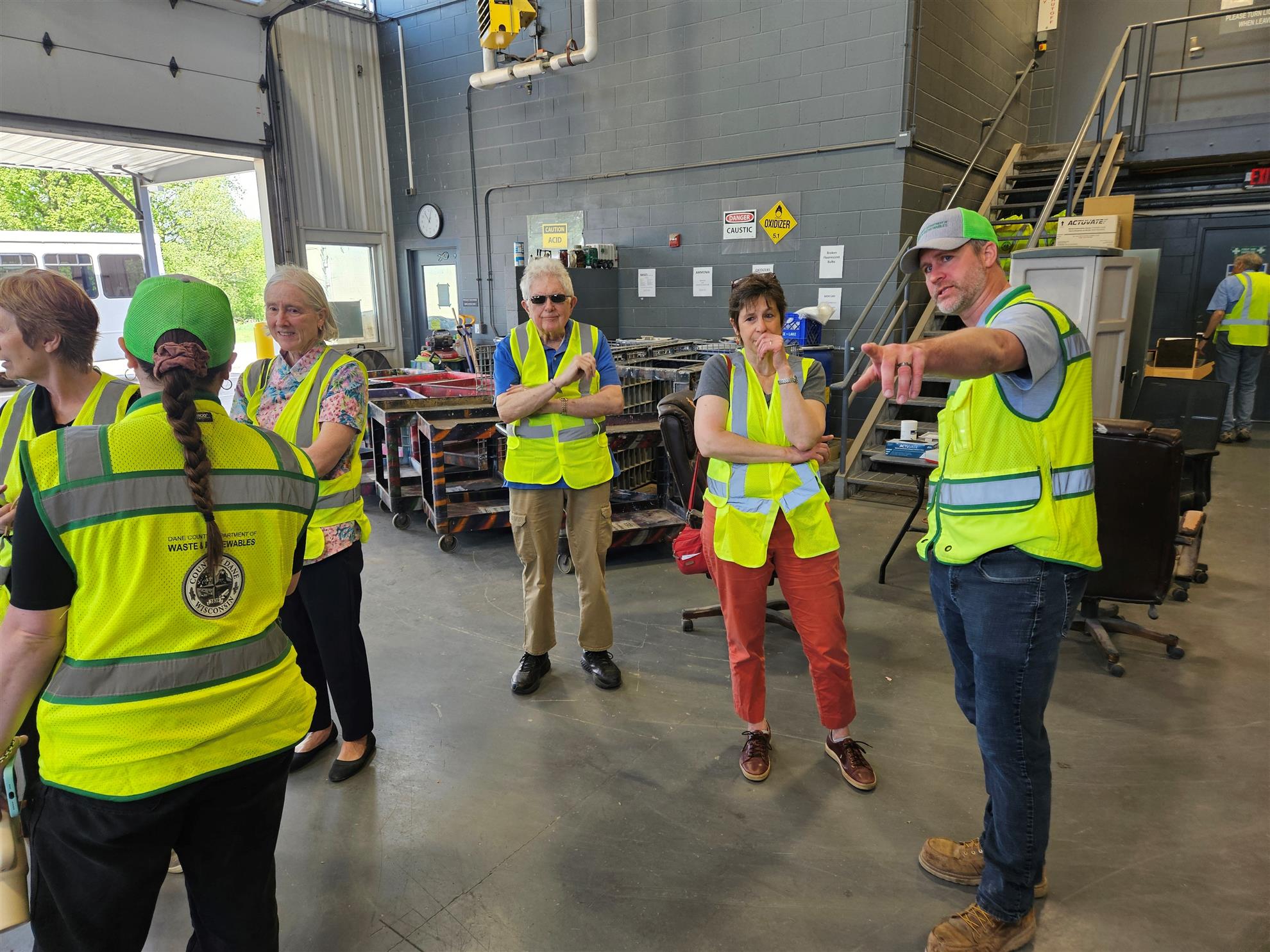
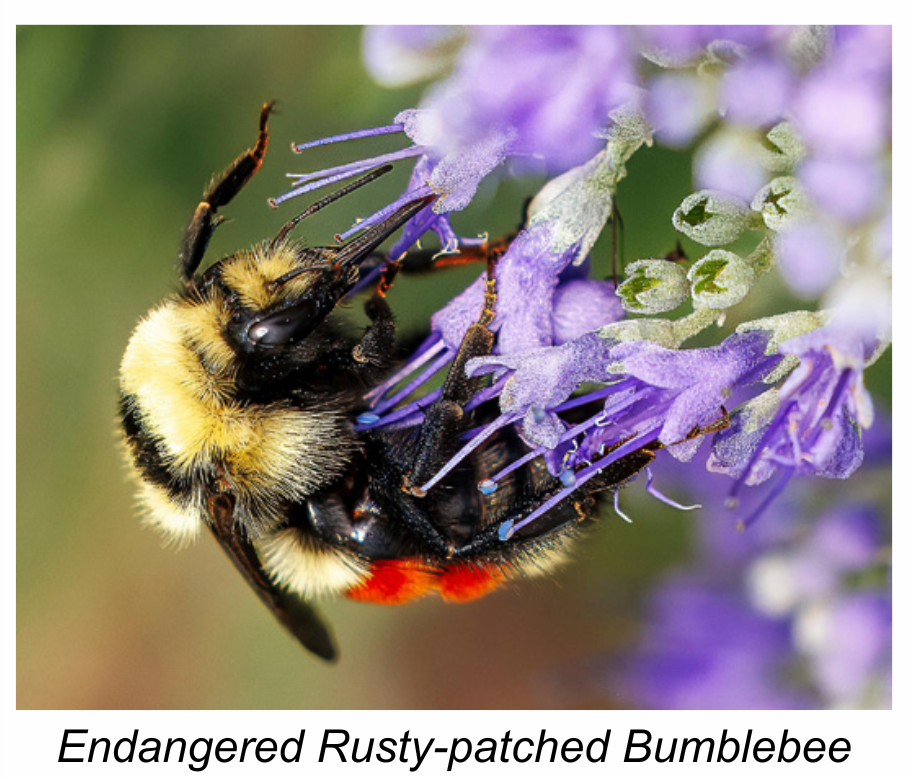
  • Field experiences: Trips focused on biodiversity, bumblebees, and recycling systems
  • Seasonal engagement: Weekly pollinator bouquets in May and June
Why is Going Green Fellowship Promoting Pollinators?
Pollinators are essential for human food security, but their populations have fallen catastrophically under the combined assault of habitat loss, pesticides, and disease.

Rotarians worldwide are inspiring and equipping their communities to create pollinator habitats to help save and protect pollinators. They have planted pollinator gardens, developed pollinator signs, and distributed seeds to others. Pollinator gardens literally change the landscape, proving to communities that they have the power to protect the biodiversity we humans need to survive.
Ways to Help:
 
 
Support ‘No Mow May’
Early spring, before many plants have flowered, is a critical time for wild pollinators. Plants in your lawn are an important early food source. Allowing your lawn to bloom before the first mowing nourishes pollinators.
 
Locally, Sun Prairie, Monona, Cross Plains, Shorewood Hills and Middleton support “No Mow May,” while Madison and Fitchburg encourage raising mower decks for a “Low Mow May.”
 
Does your community have a ‘No Mow May’ campaign? Use those spring hours not spent mowing to support pollinators in other ways.
 
Put up a sign
Pollinator organizations offer printed signs to inform that an area isn’t being mowed or sprayed because it’s supporting pollinators and educating others.
 
Register your pollinator garden
Pollinator.org supports a nationwide campaign to register pollinator gardens to track the growing network of micro habitats supporting pollinator communities. Registering gardens helps identify gaps so we can focus on linking them.
 
To find plants native to your area, try these resources:
Pollinator Partnership: pollinator.org/guides
Xerces Society for Invertebrate Conservation: xerces.org/pollinator-resource-center
National Wildlife Federation: nwf.org/nativeplantfinder
Monarch Joint Venture: monarchjointventure.org/resources
 
Collect pollinator plant seeds
Offer a community service project of gathering seeds from restored prairies and existing pollinator gardens. Those seeds can be planted where needed or used to start next year’s plugs.
 
Support others’ projects
Volunteer to maintain existing pollinator gardens and Monarch Waystations.
 
Grow pollinator plants on rooftops and roadside
Even without a backyard, you can grow pollinator plants in containers or adopt a stretch of roadside that lacks habitat.
 
Landscape with native plants
Ensure that plants supporting the local ecosystem are used wherever you can influence planting decisions.
 
Make your backyard pollinator friendly
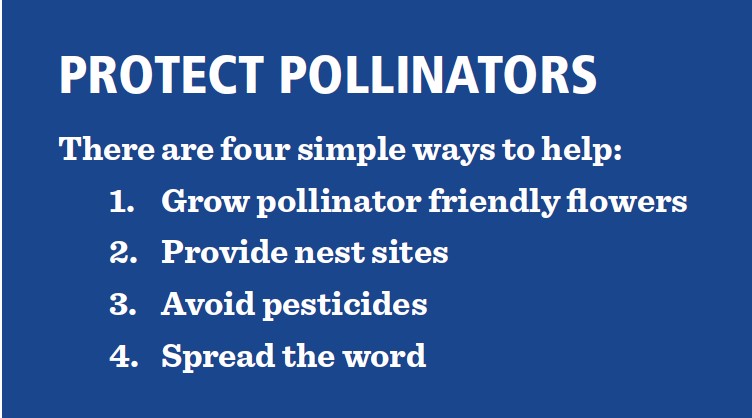
Choose native plants, eliminate invasive species, avoid pesticides, and minimize overnight lighting.